Private Data in LLM and RAG

Private data in LLMs is not the same as private data in RAG.
An LLM is a large language model: an AI model trained on massive amounts of text to understand and generate language, such as answering questions, summarizing text, translating, or writing.
A RAG system stands for retrieval-augmented generation: it combines an LLM with a retrieval step that looks up relevant information from external sources, like documents or a database, before the model generates an answer.
LLM: the model relies mostly on what it learned during training.
RAG: the model gets extra, up-to-date context at answer time from outside sources.
That distinction matters more than many teams realize.
In LLMs, the privacy risk is often about what the model learns during training or fine-tuning. Private data can get memorized, embedded, or unexpectedly reproduced later.
In RAG systems, the model may not memorize the data - but it can still expose it at retrieval time. That means the risk shifts to document stores, embeddings, vector databases, access controls, and logs.
A simple way to think about it:
LLMs: “Should this data ever be inside the model?”
RAG: “Who can retrieve this data, and under what rules?”
Both approaches can be powerful. Both can be risky. And both need privacy-by-design thinking from the start.
The biggest mistake is assuming retrieval makes private data “safer” by default. It doesn’t. It just moves the risk surface. If we want trustworthy AI, we need to be precise about where the data lives, how it moves, and what can leak.
A better way to think about it
LLM privacy risk is mainly about what the model learns. If the risk is learning, your controls should focus on training data selection, model behavior, and memorization mitigation.
RAG privacy risk is mainly about what the system retrieves.
That may sound like a subtle distinction, but it changes everything. If the risk is retrieval, your controls should focus on permissions, indexing, data minimization, and runtime governance.
The privacy architecture is different because the data lifecycle is different. And in AI, lifecycle matters.
What this means for privacy teams
Privacy teams cannot afford to stay at the policy level while engineering teams make architecture decisions in isolation. AI privacy requires design choices, not just review checkpoints.
Some questions worth asking early:
Is this data needed for training, or only for retrieval?
Can we separate sensitive data from general-purpose model inputs?
Are retrieval permissions enforced before the model sees the content?
What gets logged, cached, or monitored?
What happens if the model leaks, the retriever over-fetches, or the user is misclassified?
Those questions are not theoretical. They are the difference between a controlled system and a vulnerable one.
And they also point to a bigger governance truth: AI privacy is no longer just about data minimization in the classic sense. It is about data placement, data movement, and data exposure across an increasingly complex stack.
The real lesson
The most important lesson here is not that LLMs are dangerous or that RAG is safer. It is that both can fail in very different ways.
An LLM can remember too much.
A RAG system can reveal too much.
One risk lives in the weights.
The other lives in the pipeline.
If we want trustworthy AI, we have to stop talking about “private data in AI” as a single issue and start asking more precise questions about architecture, retrieval, and governance.
Because the future of AI privacy will not be decided by whether we use LLMs or RAG.
It will be decided by whether we understand the difference.
Personal Update
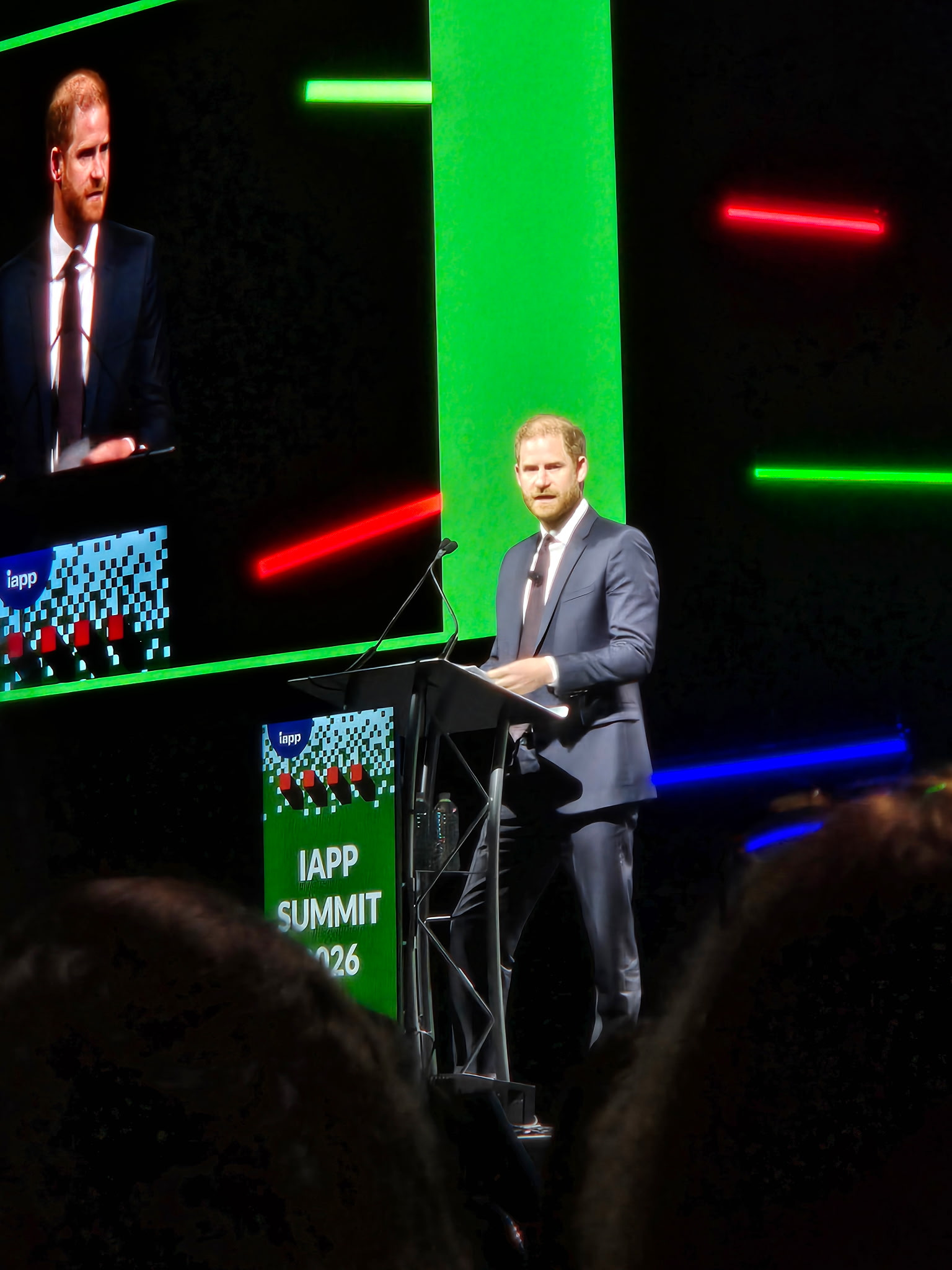
Check out the IAPP Global Privacy Summit 2026 conference video. Creating this day in a life as a conference attendee video was so fun!
https://youtube.com/shorts/nCQqEwLYkO4?si=8KqKFOKfyQRtWaKN
Extremely thoughtful way of explaining and dissecting this issue!